B.Tech Aeronautical Engineering Admission Open 2026
Soaring High in Aeronautical Innovation and Excellence
Our Courses
Need more informations?
About B.Tech Aeronautical Engineering
- Duration: 4 Years (Full Time)
B.Tech Aeronautical Engineering Eligibility Criteria:
- 10+2 examination with Physics, Chemistry, and Mathematics/Biology obtained at least 45% marks (40% marks in case of candidates belonging to reserved categories) in the above subjects taken together.
OR
- 3-year Diploma in Engineering with at least 45% marks (40% for reserved categories)
- Acceptable scores in SPACE -CET.
B.Tech Aeronautical Engineering Overview:
The B.Tech in Aeronautical Engineering is a specialized undergraduate program focused on the design, development, testing, and performance of aircraft and aviation systems operating within Earth’s atmosphere. Recognized among leading B.Tech in Aeronautical Engineering colleges in Pune, the program covers diverse aviation systems including fixed-wing aircraft, helicopters, UAVs (drones), guided missile systems, and civil & defence aviation platforms.
The curriculum is engineered to build strong technical competence across fundamental and advanced aerospace domains such as Aircraft Configuration Design, Structural and Stress Analysis, Aerodynamics and Computational Fluid Dynamics (CFD), Gas-Turbine Propulsion, Flight Mechanics, Stability and Control, and Aircraft Performance Optimization.
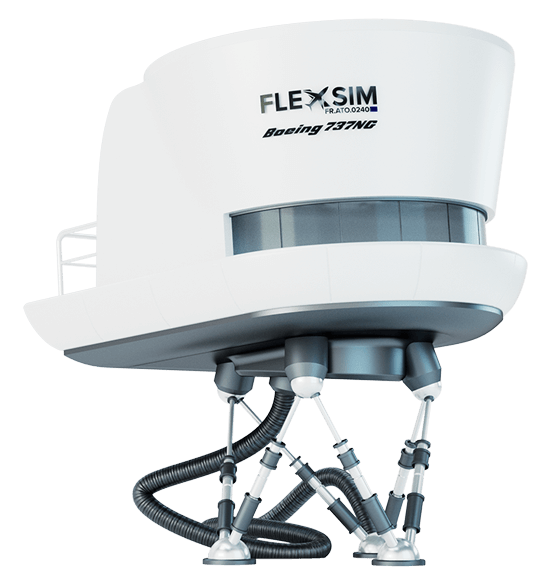
Students develop analytical and computational proficiency through extensive hands-on exposure to CAD/CAE tools, finite-element structural modeling, CFD flow simulations, propulsion system performance studies, and virtual flight-dynamics simulation environments.
Technical depth is further strengthened through case-based learning on Operational Aerospace platforms, simulation-driven design reviews, Research-Oriented Assignments, and collaborative engineering decision-making modules.
With a strong focus on applied engineering and emerging aerospace technologies, the B.Tech in Aeronautical Engineering program prepares graduates for careers in aerospace R&D organizations, space research centres, defence and missile development agencies, aircraft manufacturing industries, MRO organizations, UAV companies, and global aviation firms.
- Aircraft Control and Guidance:
Mathematical modeling of aircraft dynamics, stability derivatives, state-space control, autopilot design, navigation systems, and modern guidance algorithms for manned and unmanned platforms. - Aerodynamics:
Analysis of subsonic to hypersonic flow regimes, boundary-layer behavior, shock wave formation, lift and drag prediction, airfoil/wing optimization, and CFD-based aerodynamic simulation. - Structural Analysis:
Stress–strain computation, fatigue and fracture mechanics, composite material behavior, finite element modeling (FEM), buckling analysis, and structural optimization of airframes and spacecraft structures. - Propulsion Systems:
Thermodynamic cycle analysis of gas-turbine engines, compressor–turbine aerodynamics, combustion processes, nozzle flow, rocket propulsion principles, performance mapping, and thrust optimization. - Flight Mechanics:
Equations of motion, longitudinal and lateral–directional stability, performance evaluation (range, endurance, climb, turn rate), maneuvering characteristics, flight-envelope analysis, and simulation-based flight-dynamics assessment.
The program aims to prepare students to meet the technical challenges of the aviation and space industries, enabling them to contribute to cutting-edge research, innovation, and engineering solutions.
B.Tech Aeronautical Engineering Program Highlights:
- Comprehensive theoretical and practical sessions
- Access to MOOCs and industrial certifications
- Emphasis on design and investigatory projects
- Opportunities for field and analytics projects
- Industrial training and research publication guidance
Why Us?
The IIAEIT Edge in Aeronautical Engineering
Frequently asked questions
1. What is B.Tech Aeronautical Engineering?
B.Tech Aeronautical Engineering is a 4-year undergraduate program focused on the design, development, testing, and performance of aircraft and aviation systems that operate within Earth's atmosphere. At IIAEIT, Pune, the curriculum covers fixed-wing aircraft, helicopters, UAVs (drones), guided missile systems, and civil and defence aviation platforms, along with aircraft configuration design, structural analysis, aerodynamics, gas-turbine propulsion, and flight mechanics.
2. What is the difference between Aeronautical and Aerospace Engineering?
Aeronautical engineering focuses specifically on aircraft and vehicles that operate within Earth's atmosphere, such as airplanes, helicopters, and UAVs. Aerospace engineering is the broader discipline, covering both atmospheric flight (aeronautics) and space flight (astronautics), including satellites and spacecraft. If your interest is aviation, aircraft design, and defence platforms, aeronautical engineering is the more focused path; aerospace engineering suits students also interested in space systems.
3. What is the eligibility criteria for B.Tech Aeronautical Engineering at IIAEIT?
Candidates need a 10+2 qualification with Physics, Chemistry, and Mathematics/Biology, scoring at least 45% marks overall (40% for reserved categories). Students with a 3-year Diploma in Engineering (45% marks, 40% for reserved categories) are also eligible. Admission requires an acceptable score in SPACE-CET, IIAEIT's entrance test, alongside meeting these academic requirements.
4. What is the duration and curriculum of B.Tech Aeronautical Engineering at IIAEIT?
The program runs full-time for 4 years. IIAEIT's curriculum builds technical depth across aircraft control and guidance, aerodynamics (subsonic to hypersonic flow, CFD simulation), structural analysis (FEM, composites, fatigue), propulsion systems (gas-turbine and rocket propulsion), and flight mechanics (stability, performance, flight-envelope analysis). Students get hands-on exposure to CAD/CAE tools, MOOCs and industrial certifications, design projects, and industrial training.
5. Is Aeronautical Engineering a good career option?
Yes, aeronautical engineering offers strong career prospects given the ongoing expansion of commercial aviation, defence aerospace, and UAV technology. Graduates of programs like IIAEIT's B.Tech Aeronautical Engineering can work in aircraft manufacturing, MRO (maintenance, repair, overhaul) organizations, defence and missile development agencies, UAV companies, and global aviation firms, as well as aerospace R&D and space research centres.
6. What is the salary of an aeronautical engineer in India?
Aeronautical engineer salaries in India typically range from ₹7 LPA to ₹25 LPA, depending on experience, employer, and specialization, with entry-level roles starting lower and senior/specialized roles in defence or aviation R&D reaching the higher end. Salaries can grow further with a master's degree or roles in commercial aviation, aircraft MRO, or defence agencies. Global aviation firms and defence contractors typically offer the highest packages.
7. Which college is best for B.Tech Aeronautical Engineering in Pune?
The right choice depends on curriculum depth, labs, and placement support. IIAEIT, Pune is recognized among leading B.Tech Aeronautical Engineering colleges in the city, offering a specialized aviation-focused curriculum, live aircraft and engine models for hands-on learning, and a dedicated Training & Placement Cell supporting domestic and international placements.
Join IIAEIT Pune's B.Tech Aeronautical Engineering program to launch your career into the stratosphere of the Aerospace industry.