B.Tech in Defence Technology: Course, Eligibility & Career Opportunities
Navigating the Future of Defence and Innovation
Our Courses
Need more informations?
About B.Tech in Defence Technology
- Duration: 4 Years (Full Time)
Eligibility Criteria:
- 10+2 with Physics, Chemistry, and Mathematics/Biology with minimum qualifying marks as per university norms
B.Tech In defence technology overview:
The Bachelor of Technology (B.Tech) in Defence Technology is a four-year undergraduate programme designed to develop strong technical foundations and domain expertise in modern defence systems, military engineering, and strategic technologies.
The B.Tech in Defence Technology course focuses on the design, development, operation, and maintenance of advanced defence equipment, preparing students for careers in defence, aerospace, and national security sectors.
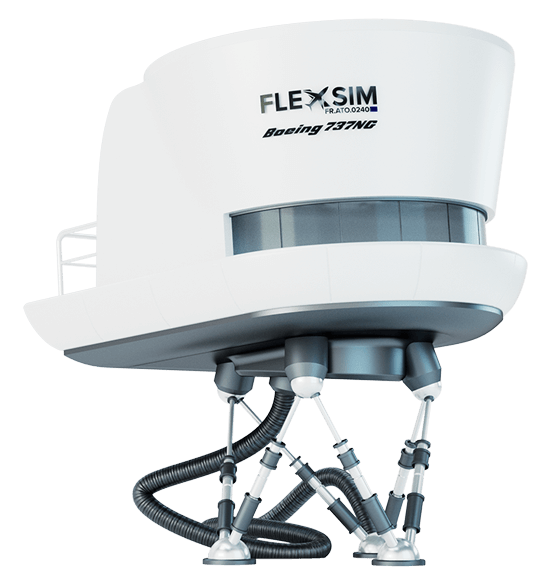
The curriculum integrates core engineering principles with specialized defence applications, enabling students to understand complex systems such as missile technologies, radar and surveillance systems, electronic warfare, cybersecurity, and autonomous defence platforms. It combines theoretical learning with practical exposure through laboratories, projects, and simulation-based training.
Students gain hands-on experience in system design, modelling, testing, and performance analysis using modern engineering tools and software. The B.Tech in Defence Technology programme also emphasizes innovation, problem-solving, and a research-oriented approach aligned with current defence industry requirements and global standards.
Program Highlights:
- Advanced laboratories and modern classroom infrastructure
- Industry-oriented curriculum aligned with defence standards
- Value-added certification programmes
- Semester-wise projects and practical assignments
- Internship and industrial training opportunities
- Exposure to defence technologies and manufacturing processes
- Training in advanced simulation and design tools
- Focus on hands-on learning and skill development
What You Will Study:
- Fundamentals of Defence Technology and Military Systems
- Missile Systems and Propulsion Basics
- Radar, Communication, and Electronic Warfare Systems
- Cybersecurity and Network Defence
- Autonomous Systems and UAV Technologies
- Defence Electronics and Embedded Systems
- Space Defence and Strategic Technologies
Career Opportunities in B.Tech Defence Technology:
The B.Tech Defence Technology programme opens pathways to diverse career opportunities in defence research, aerospace industries, manufacturing, and emerging technology sectors. Graduates can work in roles such as Defence Engineer, Systems Engineer, UAV Specialist, Cybersecurity Analyst, and Defence Technology Consultant.
Career opportunities are available in leading organizations such as Defence Research and Development Organisation, Indian Space Research Organisation, and Hindustan Aeronautics Limited, along with defence public sector undertakings, private defence companies, and technical roles in the armed forces.
The programme also provides a foundation for higher studies such as M.Tech in Defence Technology, Aerospace Engineering, or related fields, enabling students to advance into research, innovation, and leadership roles in the defence sector.
Frequently asked questions
1. What is B.Tech in Defence Technology?
B.Tech Defence Technology is a 4-year undergraduate program that builds technical expertise in modern defence systems, military engineering, and strategic technologies. At IIAEIT, Pune, the curriculum covers missile systems, radar and electronic warfare, cybersecurity and network defence, autonomous systems and UAV technology, defence electronics and embedded systems, and space defence, combining core engineering with hands-on labs and simulation-based training.
2. What is the eligibility criteria for B.Tech Defence Technology at IIAEIT?
Candidates need a 10+2 qualification with Physics, Chemistry, and Mathematics/Biology, meeting the minimum qualifying marks as per university norms. As with IIAEIT's other B.Tech programs, admission typically also involves the institute's SPACE-CET entrance process; prospective applicants should confirm the current year's exact cutoffs and entrance requirements with IIAEIT's admissions office.
3. What is the duration and curriculum of B.Tech Defence Technology at IIAEIT?
The program runs full-time for 4 years. IIAEIT's curriculum spans Fundamentals of Defence Technology and Military Systems, Missile Systems and Propulsion Basics, Radar/Communication/Electronic Warfare Systems, Cybersecurity and Network Defence, Autonomous Systems and UAV Technologies, Defence Electronics and Embedded Systems, and Space Defence and Strategic Technologies, backed by advanced labs, semester-wise projects, and industrial training.
4. What is the difference between B.Tech Defence Technology and B.Tech Aerospace Engineering?
B.Tech Defence Technology focuses broadly on military systems — missiles, radar, electronic warfare, cybersecurity, and UAVs — preparing students for defence R&D and national security roles. B.Tech Aerospace Engineering focuses specifically on aircraft and spacecraft design, propulsion, and structures for aviation and space careers. Students interested in defence electronics, strategic systems, and cyber-defence should consider Defence Technology; those focused on flight vehicle design should consider Aerospace Engineering.
5. What are the career opportunities after B.Tech Defence Technology?
Graduates can pursue roles such as Defence Engineer, Systems Engineer, UAV Specialist, Cybersecurity Analyst, and Defence Technology Consultant. Career opportunities are available at organizations like DRDO, ISRO, and HAL, along with defence public sector undertakings, private defence companies, and technical roles in the armed forces. The program also lays a foundation for higher studies such as M.Tech in Defence Technology or Aerospace Engineering.
6. What is the salary for a Defence Technology engineer in India?
Entry-level salaries in India's defence sector typically range from ₹7–10 LPA in private defence companies, while government research roles like DRDO's Scientist 'B' position (Level 10, 7th Pay Commission) offer a gross monthly package translating to roughly ₹10–12 LPA including allowances. With experience and specialization in areas like missile systems, cybersecurity, or electronic warfare, salaries can grow to ₹15–25+ LPA in both government and private roles.
7. Why choose IIAEIT Pune for B.Tech Defence Technology?
IIAEIT, Pune offers an industry-oriented Defence Technology curriculum aligned with current defence standards, covering emerging areas like cybersecurity, autonomous systems, and space defence alongside traditional military engineering. The program includes advanced laboratories, value-added certifications, semester-wise projects, and internship/industrial training opportunities, preparing students for both government defence organizations and private-sector defence careers.
Embark on a journey to the forefront of defece technology.